Dampness in Walls: Types, Causes and Prevention
Dampness is one of the most common—and most damaging—problems a building can face. Left unchecked, moisture buildup can lead to structural damage, promote mold growth, ruin interior finishes, and even pose health risks to occupants. Whether you are a homeowner, builder, or architect, understanding the types of dampness, its underlying causes, and prevention methods is essential.
Types of Dampness in Walls
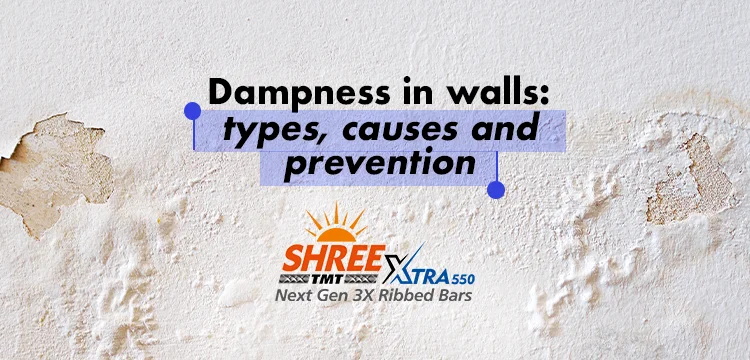
- Rising Damp: Occurs when ground moisture is drawn up through the walls by capillary action. It's most commonly found in older buildings where a damp-proof course (DPC) is either missing, damaged, or bridged. Over time, rising damp can cause paint to peel, plaster to crumble, and leave distinct tide marks on the lower sections of walls.
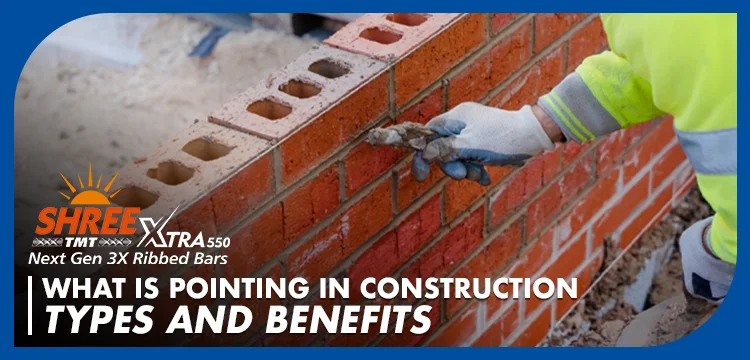
- Penetrating Damp: Happens when rain or moisture from the outside penetrates the fabric of a building. This is often caused by structural issues such as damaged pointing, cracked rendering, blocked gutters, or poorly sealed windows. Penetrating damp can appear at any height on external walls, usually leaving damp patches.
- Condensation Dampness: Is the most common type of dampness. It occurs when warm, moisture-laden air comes into contact with colder surfaces (like a wall or window), condensing into water droplets. Kitchens, bathrooms, and poorly ventilated rooms are particularly susceptible. This type of dampness is closely linked to black mold growth, peeling wallpaper, and stale odors.
Common Causes of Dampness
Several factors contribute to dampness. Poor construction practices, such as using low-quality cement, inadequate curing of concrete, or skipping waterproofing measures, are primary culprits. Using highly porous bricks or blocks can also lead to water absorption. Faulty plumbing, including leaking pipes and overflowing water tanks, adds to the issue. Additionally, poor drainage around the foundation allows groundwater to accumulate and penetrate the structure. Environmental factors like heavy rainfall and high humidity levels can also drive moisture through building materials if a good ventilation system is not in place.
How to Prevent Dampness
The best way to deal with dampness is to prevent it. Installing a Damp Proof Course (DPC)—a barrier of impervious material built into the walls just above ground level—is essential to stop rising damp. Using high-quality cement and ensuring adequate curing time strengthens the concrete and improves its natural resistance to moisture. Applying waterproofing compounds to foundations, roofs, and exterior walls adds another layer of defense against moisture. Proper site grading and functional drainage systems divert water away from the foundation. Finally, ensuring adequate ventilation throughout the building, using exhaust fans in kitchens and bathrooms, and opening windows when possible helps to control condensation.
Protect Your Structure from the Inside Out
Dampness doesn't just affect the surface of walls; it can seep deep into the structure and weaken your RCC structure (reinforcement bars) over time. That's why the quality of TMT bars you use is so important. Using high-quality, corrosion-resistant bars like Shree TMT Xtra Ribbed Bars, manufactured with advanced corrosion-resistant technology, adds a critical layer of protection against the hidden damage that dampness can cause. By choosing Shree TMT Xtra, you're not just building a stronger structure; you're building a more durable one.