Understanding the Critical Importance of Proper Concrete Curing
Table of Contents:
Concrete is one of the most widely used construction materials worldwide, and for good reason. It offers durability, strength, and versatility. However, many construction projects fail to achieve their intended lifespan and performance due to inadequate curing. The curing process is not simply about allowing concrete to dry—it’s a critical chemical process that determines whether your structure will remain strong and reliable for decades or deteriorate prematurely.
Loss of Strength and Durability
Proper curing allows concrete to develop its full compressive strength. When concrete is freshly placed, it contains moisture that facilitates the hydration of cement particles. If curing is inadequate, this moisture evaporates too quickly, interrupting the hydration process. The result is concrete that never reaches its designed strength, potentially achieving only 50-75% of its target capacity. This weakening can lead to structural failure, especially under heavy loads or stress. Inadequately cured concrete is also more susceptible to cracking, spalling, and surface deterioration over time.
Increased Permeability and Water Damage
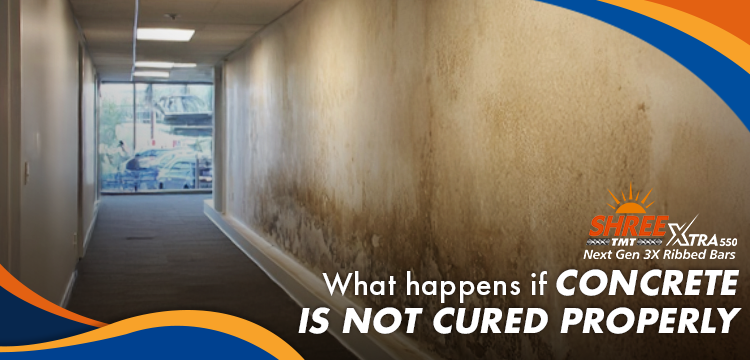
One of the most damaging consequences of improper curing is increased permeability. Concrete that hasn’t cured properly develops more pores and micro-cracks, allowing water and other harmful substances to penetrate the surface. This creates a cascade of problems: water seeps into the concrete, corrodes reinforcing steel, promotes freeze-thaw damage, and enables chemical attacks. Buildings with improperly cured concrete foundations or structural elements are prone to leaking, dampness, and accelerated deterioration. What could have been a 50-year structure now requires significant repairs within 10-15 years.
Surface Defects and Aesthetic Issues
Improper curing often results in visible surface problems such as crazing (fine surface cracks), checking, and discolouration. While these may seem purely cosmetic, they indicate deeper structural issues. These surface flaws reduce the concrete 2019 aesthetic appeal and signal compromised durability. In architectural concrete or exposed surfaces, inadequate curing can ruin the intended appearance and require costly remedial treatments or resurfacing.
Reduced Resistance to Chemical Attack
Properly cured concrete develops a dense microstructure that resists attack from sulfates, chlorides, and other aggressive chemicals. When curing is inadequate, the concrete remains porous and vulnerable. In environments exposed to salt spray (coastal areas), chemical spills, or sulfate-rich soil, poorly cured concrete deteriorates rapidly. This is particularly critical for industrial structures, parking garages, and marine applications where chemical resistance is essential.
Shrinkage and Cracking
Rapid drying due to inadequate curing causes differential shrinkage—different parts of the concrete dry at different rates. This uneven shrinkage creates internal stress, leading to uncontrolled cracking. These cracks not only compromise structural integrity but also provide pathways for moisture and contaminants to infiltrate the concrete, accelerating deterioration.
Why This Matters for Your Construction
Proper concrete curing typically takes 7-28 days, depending on cement type, temperature, and environmental conditions. This timeline isn’t arbitrary—it’s based on engineering science. Whether you are pouring a foundation, building a structural frame, or creating decorative concrete elements, adherence to proper curing practices is non-negotiable.
At Shree TMT, we understand that quality concrete construction begins with quality materials and proper practices. Our reinforcing steel is engineered to work in conjunction with properly cured concrete, creating structures that stand the test of time. While Shree TMT provides the TMT bars that reinforce your concrete, the responsibility for proper curing lies with your construction team. We encourage all contractors and builders to invest time and resources into correct curing practices—it’s the difference between a temporary structure and a legacy asset. When you combine Shree TMT’s high-quality reinforcing steel with meticulous curing practices, you create concrete structures built to last generations. Don’t let poor curing compromise your investment. Insist on standards. Choose quality. Choose longevity.